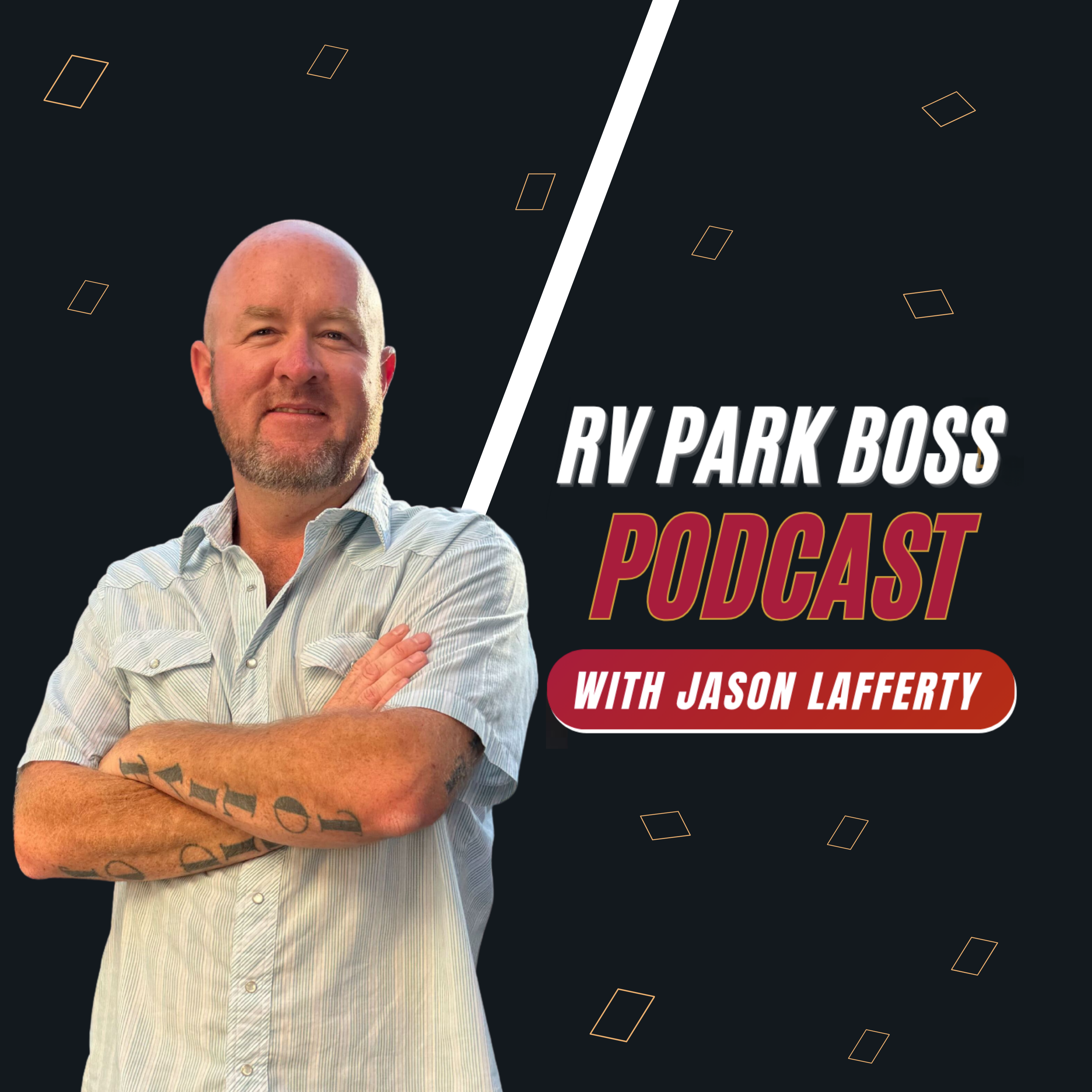
[00:00:00] Speaker A: Alrighty. Welcome to RV Park Boss, a podcast for RV park owners. I'm your host, Jason Lafferty. This is a show where we dive deep in the challenges, rewards of park ownership and some funny stories along the way. This podcast is sponsored by RV Park Pros. 78% of all parks are self managed mom and pop operations. And aside from location, strong marketing, guest experience, proactive management are the keys to success and profitability for any park. If you're trying to do this yourself, there is a better way. RV Park Pros is a park management system that helps you maximize occupancy and profits while optimizing your guest experience and retention, all without having to be involved in day to day. So if you'd like to learn more how we can streamline your park's operations, go to rvparkpros.com again that's RV parkpros.com and today.
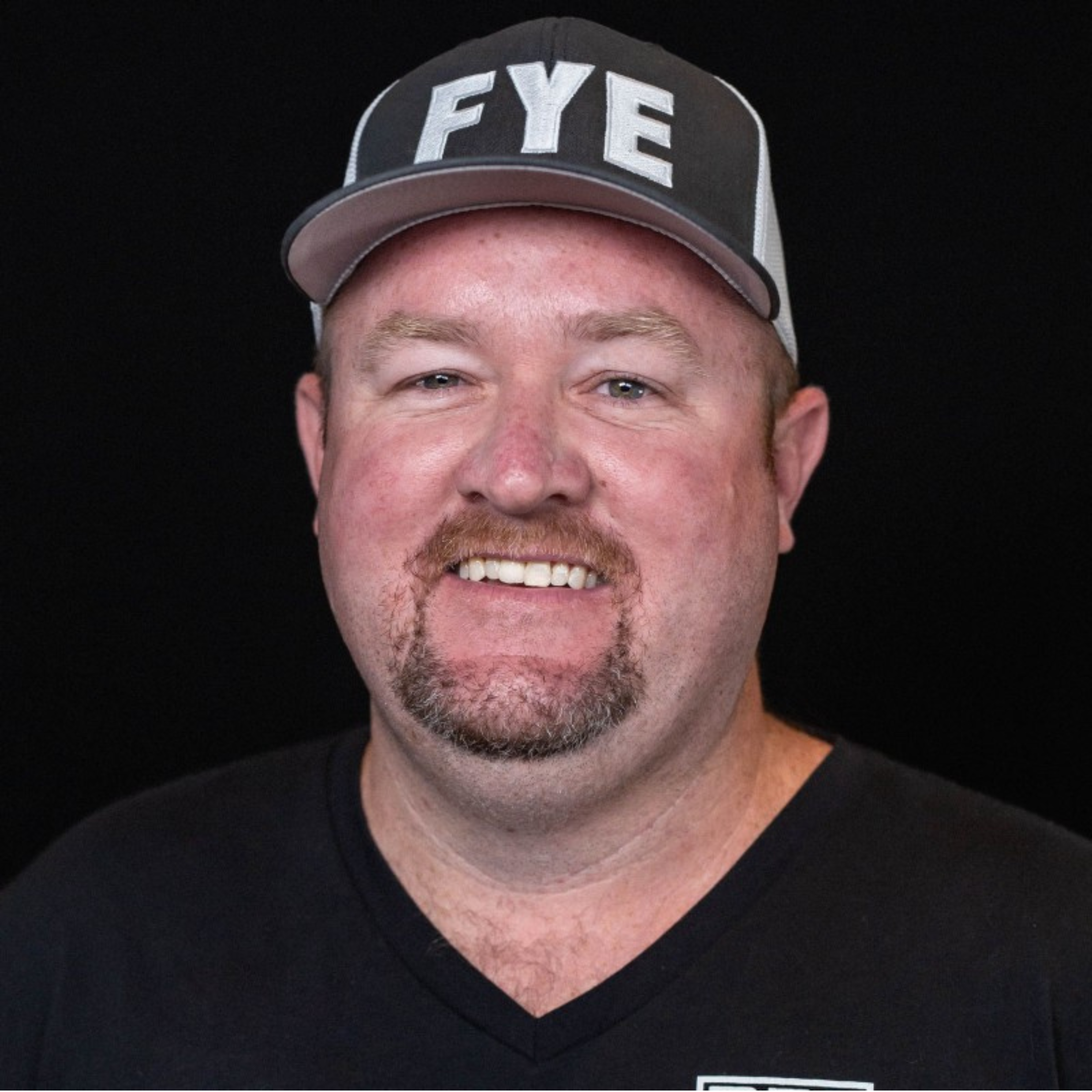
Today's RV park boss is Alex Go. He focuses on helping investors acquire parks, representing sellers looking to sell their parks and guide first time buyers through their initial RV park purchases.
His experience spans the full spectrum of RV park transactions from identifying investment opportunities to navigate the unique challenges that come with the specialized asset class.
So Alex, welcome to the show. Appreciate you being here, man.
[00:01:16] Speaker B: Hey, thanks for having me.
[00:01:17] Speaker A: Yeah, awesome, awesome. So I think a good thing we touched on a little bit ago to kick off, you know, for, to be curious on your perspective on like how you share some things, on how you, you can really identify the actual park's value versus what a seller thinks it might be worth or you know, a non professional would think something their park is actually worth. If you had anything you want to share about that and kind of kick things off would be cool.
[00:01:44] Speaker B: Yeah. So I mean you come across a lot of people, you know, especially within the last couple years since RV parks have become, you know, such a, such the rage that anyone that has an RV park automatically thinks that their park is worth some, you know, imagine imaginable number that they've, they've come to a conclusion on beforehand and then, you know, you have to kind of gently kind of pick that apart and go, yeah, no, I mean I understand to you this is, this is worth, you know, $3 million. But the revenue that you're bringing in and the condition of the park doesn't really add up to that number. Let's, let's figure out a way you can, you know, I can help you understand this and not, not speak to them in a condescending way, but just kind of help them dictate and go, hey, here's what the market says. Here's what buyers are going to come in at.
And look, I mean, obviously we can, we can put your park up there, but you're going to be waiting for a long time before someone really gives it the train of thought because. And that's a, that's a death trap. Because I've seen that time and time again is, you know, an owner kind of takes control of a situation with their, with their representative and says, no, this is the number I want to sell the park at. This is what it's worth. And I'm sure the agent's gone, hey, look, here are the comps, or here's what I can find for comps. It doesn't really add up to this. And for whatever reason, it's the client's perspective. He goes, this is what I want. And then all of a sudden, the park goes online and goes out on the MLS and it sits for months and months and months and months. And, you know, that is pretty standard for, for a lot of parks. Right? I mean, it's, you know, as good of investments are RV parks are. There's, there's, you know, there's a lot of boxes they have to check for an investor to come along and go, this is the right investment for us.
[00:04:00] Speaker A: Sure.
[00:04:00] Speaker B: But if you're sitting at a number and you're not getting any real, you know, any real, you know, possibilities of an offer, and then all of a sudden it's gone four months, and then you do that drop, then immediately investors are going to smell blood in the water and they're going to know, okay, this guy's desperate. Here's. Here's where the offer comes in. And then you see the offer and it's well below what, you know, you wanted it to be. But the investor knows and you know, that, hey, I got to sell this park and it hasn't moved in four months or five months. And I'm just, I'm kind of treading water at this point.
[00:04:48] Speaker A: Yeah, that's, you know, delicate objection handling, you know, to kind of bring them back down. Do you have, like, any specific things you do to try to like, hey, I know you want 3 million, you know, you believe it's worth, say, 1.5 or some, some tips or, or ways to get through the seller to try to bring them down, like tell them about, like, bankability or just kind of digging. What are some things? I mean, try to try to relate to them and get them to understand your, Your way.
[00:05:15] Speaker B: You're thinking, I mean, a financial analysis is a, is a big part of it.
Numbers aren't going to lie to you, you know.
[00:05:25] Speaker A: Yeah.
[00:05:25] Speaker B: If you're calculating their income, their, you know, all their expenses, they've got, you know, a 60, 40 expense ratio. You know, their, their parks out of control.
Right. If you, if you show them the numbers, then they kind of, they tend to, you know, they'll accept it over a little bit of time.
Right.
Because, you know, that's not something that is, you know, I don't know if it's all personal opinion, that's one thing. But if you're just showing these actual figures and going, hey, here's what buyers are coming in at, and here's where your park is performing. If you do this, your park is, you know, your park is sitting right now at a 5 cap and you're trying to sell it at a 12 cap.
It doesn't really, you know, it doesn't fit. So, you know, breaking those financials down for them, that, that's definitely something. That's a tactic to help them kind of, you know, realize what they've got. Also, you know, assessing their situation, what they're real like, if they're in a position where they need to get out of it, you know, to kind of lay on that emotional side and remind them, hey, this is, this is why you came to me in the first place. You, you asked me to help you move your park or you want to sell your park, and we're looking to buy the park. Right.
Don't forget. The reason why you came to me in the first place is you're in a spot where, where this is something you need. If you weren't in that spot, you wouldn't have reached out in the first place and you wouldn't have said, hey, are you, do you guys buy RV parks or can you, you know, would you be interested in purchase? You know, so I think, you know, kind of getting on a more emotional level with, with that seller or, and just letting them know, hey, this is, you know, this is the reason you came to us.
You know, that kind of helps, you know, calm things down a little bit. Makes them kind of see a more realistic approach.
[00:07:37] Speaker A: Sure, sure. So I'm just curious, how do you, how do you handle when it comes time to talk about owner finance options? You know, because a lot of, a lot of sellers are, you know, 70%. Mom and pop own one park and, you know, this is probably their one big investment retirement, you know, property that they have. So they probably haven't dealt with capital gains before, but how do you. There's usually a few ways to go about it, you know, more educational wise or more know, what are you gonna do if you get a million dollars and give half of it to the government or something?
What's your approach?
[00:08:09] Speaker B: I, I think, you know, if I'm trying to, to, to purchase their park or, or, or sell their park and you know, I open the idea of owner finance and like from a seller's perspective, these parks, you know, it's whatever. If it's a transient park or if it's a long term park, it's kind of a niche operation.
And so, you know, to be able to widen that net as big as possible, that's kind of where I bring them in at is, hey, you got to get rid of this park.
[00:08:48] Speaker A: Do you mean widening the net isn't for potential buyers?
[00:08:51] Speaker B: Yeah, potential buyers. Most buyers right now are all looking for owner finance terms. I don't know, obviously you got a bunch of those companies that are, you know, money's not really a worry to them.
[00:09:03] Speaker A: Private equity.
[00:09:04] Speaker B: Right. And private equity firm, they'll just go, yeah, that's a $200,000 check. We'll put that down right now, no problem.
But you know, I think for the most, you know, for most buyers right now, they're not going to go through a traditional lender.
They're going to look at the owner finance options. I get asked those questions every single day. Hey, would you be interested in creative financing? And it's like, you know, that's, I mean, yeah, that's what we purchase our parks on if you know, to make the deal fit. But is it something that is, is, you know, required and necessary? No, but does it make the job a lot easier and does it bring you more perspective, prospective clients? Absolutely.
[00:09:54] Speaker A: Yeah.
[00:09:55] Speaker B: That's, you know, and, and getting them over that hump is definitely, you know, sometimes they're just closed off to it immediately.
[00:10:05] Speaker A: Right.
[00:10:07] Speaker B: They maybe they had a bad experience or maybe they just like you said, educational. They don't necessarily understand every aspect of that. So it's like anything that's like has that uncertainty automatically brings this fear. And so when you're dealing with, with, with fear and emotion, it's like that's not a good place to be in a negotiation standpoint. Right. You're just going to be closed off immediately.
So yeah, education is a big thing. You know, being able to, to relate and break it down to them, you know, providing them with, with, hey, you know, I, I usually like to go, hey, here's if I make an offer on their park, right? I'm going, hey, here's what we can offer you, cash offer.
And then also, if you did take this owner finance option, here's what it looks like. And then here's what the breakdown of that looks like. Here's what you'll make over this time period. If we choose this amortization, right. If we choose this interest rate and just give them black and white, those types of options to where if they are very serious about the, you know, selling of it, they're going to read all those options and, you know, it's going to sort of make sense to them, you know, as best you possibly can.
[00:11:33] Speaker A: Sure. I think, I think a big objection, you know, a lot of sellers have is, you know, somebody's going to put 10 or 20 or 30% down, take over my park, and they're going to run into the ground, and then I can't retire and I got to take it over anyways.
So.
[00:11:46] Speaker B: Right.
[00:11:46] Speaker A: Anytime I have those conversations, I try to be like, well, if somebody's put $200,000 down, you know, in Texas, you could foreclose in 30, 60 days of nonpayment because it's going to be recorded with the county and take it back over. So, so if you do have a buyer, you know, maybe, and you're the seller, maybe doing a little, you know, talking to them, seeing what their actual plan is, because a lot of people aren't going to want to throw $200,000 to commercial property just to run the risk of losing it. Six months, right? Closed on, it's back to the owner. So.
[00:12:20] Speaker B: Also, like, when you kind of bring that scenario up, that's also a little scary in itself for the owners going, wait, I'm in a, you know, they just, it just, it causes a little bit of panic. So, yeah, it's definitely a. A tightrope. You have to kind of walk to sort of, you know, meet their kind of, you know, be able to handle their emotions and their objections, you know, and do it calmly and not in a way where you're, you're combative.
[00:12:49] Speaker A: So. Yeah, yeah.
[00:12:51] Speaker B: But, yeah, I mean, owner financing is definitely, you know, the best possible option, especially, you know, right now with, with, you know, the way interest rates are and the way banks are. It's just, you know, it's no longer just about, I've got a good credit score and hey, here's, you know, here's much money I can put down. It's. It's A very thorough process and you really have to have, you know, all your ducks in a row, you know.
[00:13:20] Speaker A: Yeah, for sure. One right now, it's, it's, it's dragging on. I'm like, come on, what else you need? Like, let's go.
[00:13:27] Speaker B: Right, right. And you know you have a good portfolio.
Right. But it's still, you know, it's very stressful, I assume, to go through this process.
[00:13:37] Speaker A: Yeah. So do you, do you touch on any of that? Like, hey, Mr. Seller, I know you want X, but a bank is going to a bankability and the way I try to describe it is they're going to want, most banks going to want at least a 1.25 DSCR.
They're going to be plus or minus 20 year amortization. They're going to be plus and minus 8% interest rate.
So, so if I know a guy wants 2 million, I can plug in that scenario and kind of walk them through it. But do you, do you have any tips or ways you go about having that conversation? Like, hey, I got a buyer. Well, they're going to need to get a bank. They got the money, they got the funds. But the banks can want 25 down, they can still do that. But the DSCR is another big thing. And just even finding a bank that will do it.
Kind of educated.
[00:14:19] Speaker B: I, I've kind of, I've run into scenarios where it's more of, you know, hey, you, you know we're trying to find you a buyer for this, right? You're not open to owner finance, so you're wanting to go through a bank, but you're not. You, you haven't provided me with actual numbers. You provide me with a piece of paper with chicken scratch on it and this has your, your income and your expense and it's like they don't have any real booking. It's a mom and pop operation. It has been for the last 30, 40 years. They don't keep records, they don't keep files. And it's like, well, no lender is going to kind of lend on this because they don't have anything to look at. Right.
And so this is why you need to open that door to owner finance options. Because this is going to be hard for a lender to, to, to approve, you know, based on your, you know, there's no actual numbers I can back up your park with. You don't have tax returns. I've dealt with that scenario before and.
[00:15:24] Speaker A: Yeah, so banks are, want to see the tax returns.
[00:15:27] Speaker B: Banks are wanting to see the tax Returns, they're wanting to know, hey, what is the, you know, what is the net of this park?
What, what is the gross margin of this park? You know, they want to know the information. What are we lending on?
[00:15:41] Speaker A: And so what is, what are a couple things that you would piggyback on, you know, profit loss statements, for sure, Rent rolls, for sure. Tax returns. Is there anything else that you would recommend if somebody wants to sell in a year, hey, or two years? Like, hey, banks are kind of looking for something more like this that would help your cause in the future.
[00:16:00] Speaker B: I mean, if you have QuickBooks, that would be, you know, anything that's not on loose leaf paper, I would start there.
No, but it's, I think, look, you said it, you know, rent rolls, keep your rent rolls, keep your PNLs, you know, keep your tax returns. Although tax returns are, you know, it's not the end all be all because we all are going to write off everything that America lets us write off, you know, so the park might not look great, right on, on, on your tax returns, but that being said, the gross amount, that's going to help you with your, you know, when it comes to a traditional lender, you know, but again, you know, and a lot of these mom and pop shops, they don't really, you know, they don't really keep that kind of record. They just know, hey, this is what our park makes in a year and it's enough where me and my wife can live and we just live off of what the park makes and it's not, you know, and that happens in, in more cases than, than not. So obviously it's so great when you, when you see the other side of that, right, and someone comes in, they go, hey, here's all my records. Here's everything I have. Here's all the rent rolls. Here's the proof of, you know, payments.
When they have all that, then that's a, a really refreshing scenario just because, you know, I've dealt with the other scenario before and it's, it's kind of a pain in the ass because, you know, you're trying to do your job, but you're, you're kind of waiting on this giant piece of the puzzle.
And you know, if your buyers are going, hey, what I, you know, I'd love to get more information on this. And you're like, hey, so would I. You know, I would love to too. But yeah, right now all I've got.
[00:17:54] Speaker A: Is, and you know, when you find a buyer, they're going to need this information. You don't have it. So it's like, right.
[00:18:00] Speaker B: And they, you know, some buyers think that they're going to kind of pull one over on you and they're going to go, oh, well, I don't have to provide this information. Just, it's like, no, man, if I'm trying to help you, then you got to help me and give me every tool that I could, you know, that I would want in order for this to go successfully.
[00:18:20] Speaker A: Yeah. The reason being is because those come up with almost every buyer, with every single buyer.
[00:18:25] Speaker B: And if you're, if they're not calling them, coming up, they're not asking those questions, then they're not a serious buyer in the first place, and they're just trying to probably daisy chain your deal. And, you know, that's another thing I've noticed a lot lately is, and don't want to go on a tangent, but, like, I, I had someone come to me with a deal in the beginning of July, and then another person came to me with that same deal in the month of August, but they added $350,000 onto the purchase price. Nothing that changed with, with any of the numbers. They just added their fee. And it's like, okay, I'm all about, you know, if, if, if you, you're in the position of, hey, you, you acquired this park and you have it on assignment and then something. But like, let's, let's, let's sort of reign it in. Do a reasonable, you know, assignment fee. Don't, don't try to, you know, pull one over on me. That's that huge. Or I'm going, what do you, you know, it doesn't even make sense.
Right. So that, that happens a lot. And you're like, okay, well, that's fine. Because now I know that the next time this person approaches me, they're not a serious buyer, they're not a serious seller. They're just looking to make a deal.
[00:19:50] Speaker A: That's policy. You know, them not being upfront with it is, you know, it's kind of like, I have a deal. Like, well, just, just be honest about what you actually have and what you're trying to accomplish, because ultimately it's going to come out. That's how it's going to get done, you know?
[00:20:01] Speaker B: Absolutely. Absolutely. And, you know, and the best way, you know, it's like, I've had to be in that scenario in the past where you have a contract on a park and you're looking to assign it, but it's, it's all, you know, you have to kind of be hush hush about the assignment. And that's a really stressful dance to do because, you know, it's like you become this tyrant. You're like, don't mention anything to the park manager. Don't say the words, I'm injured, you know, whatever. And like you're, you're having to come up with these scenarios and you're like, I don't like this feeling. And it's like we found, I found that if I do it the other way, if I'm in charge of that assignment and I approach this owner and go, hey, look, I'm not going to be the one to purchase your park, but the people that I work with, the people that I invest with, those people are going to be a better fit. So I'm going to market this towards them and just be upfront and honest with them. And if you're honest from the get go, then it's, it's a, you know, more times than not, they'll, they'll kind of see your side of things and because you can also bring up the fact that, hey, look, you know, I've been in the scenario where I would have assigned your park and you know, had to not disclose that I'm assigning your park until all of a sudden you're signing this closing table and you're going, well, who is this, who is this owner that I've, you know, I thought you were going to be the owner. And it's a, it's a, you know, it's a, it's a rough feeling.
And that's the way out there.
[00:21:45] Speaker A: Mark, usually these are their babies and you know, they don't want.
[00:21:48] Speaker B: Exactly, exactly. And they're going, you know, you looked into their eyes and you've gone like, okay, you're going to, you know, they trust you in a sense. And you, you know, that's just a, that's a very crummy feeling to sort of have to, you know, look, and assignments are a necessary evil in that sense that, you know, hey, sometimes your scenario says, hey, this is a great park for us. But then because of something else, oh, this other opportunity came along. Well, we can't close on two parks. What are we going to do? Okay, now we have to assign this one in this short amount of time period.
[00:22:25] Speaker A: Right.
[00:22:25] Speaker B: And so, and, and that's, sometimes that's the scenario. Right?
But if you can kind of, you know, if you can from the get go, kind of let them know what's going on, then that's, you Know, you can kind of get them on your side that way. I feel like then some sort of betrayal at the end.
[00:22:45] Speaker A: So these. Best policy.
I wanted to ask you earlier on, on the bookkeeping, you know, we talked, you mentioned, like, oh, it's great when they have all their stuff together and you're trying to get it read.
Able to sell the park. But I'm kind of curious on what's the worst one. Because for me, I was looking at this park in South Texas and I was going to try to buy it. And I was just honest with him. I told him if I wasn't going to end up buying it, I have some partners who might be interested. But if not, you know, if I could find you a buyer, would you still be opposed to it? And he was good, but so I'm like, you know, talking to him, building rapport. And after a while, I went. Sat down with him at his park. His wife fried me up some. They were an Indian family, and they fried me up some little dumpling ball things or something. That's good food and some beautiful. To buy chocolate stuff. They were really cool. And then so we got into, like, all right, well, you know, to sell your park, keep the numbers. Got to back it up whether somebody's bringing a bank or whatever, you know, like, we're talking about. And so he's, all right, come over to the office, and he's got everything on legal paper. And he took the time to, like, draw a line and write in the date. Draw a line for this date. This is who checked in or who paid. And then he's just got like, 10 legal pads just sitting there like, well, this is the last couple years. And then I think three to 10 years are in this folder.
And I was just like, dude, yeah.
[00:24:02] Speaker B: No, I mean, I've been in that exact same scenario. And you're going, buddy, I mean, I really want to work with you on this, but you got to look at it from a buyer's perspective.
[00:24:11] Speaker A: Yeah.
[00:24:12] Speaker B: When they're, you know, and they're like, no, but the park is great. It's had full occupancy. The whole sign, you're like, I, you know, I want to believe you, but at the same time, these, you know, this napkin that you've handed me does not indicate that everything is, you know, above board. And, you know, exactly the comings and goings of your park. Right.
[00:24:35] Speaker A: Nothing. Real estate is real unless it's in writing. You know, it.
[00:24:40] Speaker B: And then, you know, sometimes, you know, we've dealt with scenarios where park Managers like, you know, you know, on the front end, they seem like they're doing a great job and they seem like everything's running well and then all of a sudden you find out they're there, they're scamming you for, you know, they're doing their own kind of check ins. Hey, I just send it to this Venmo instead and you're like, this is, you know, you give a person an opportunity and you know, people are people. I get it. They're going to, they're going to look for a, a way in to make a couple extra bucks. I get that. But that's just, you know, I think that's the nature of the beast. If you're dealing with say, park managers that maybe you don't, you haven't put them in place. They were maybe there before or maybe you've just taken over a park and you're looking for maybe a long term tenant, hey, would you like to be a park manager? And they're going, yeah, I guess so. That sounds cool.
That's kind of, that's going to occur, you know, because not everyone, you know, congratulations, you pulled it off, you found a way to purchase a park and you know, everything comes with ownership and marketing. But now you've got to have a park manager that's on site. And if you're a small operation, what do you do, right? You can't, you know, there's not really a lot of options floating around. I mean, you know, it's a very few and far between job. You can't go to LinkedIn and look up traveling, you know, park managers, right? So it's just sometimes you're, you're in a situation where you're going, okay, this, you know, this might be our best bet. Let's, let's see what we can do. And yeah, sometimes it works out great, right? And then other times you're like, oh shit, that person that they burned me.
But you know.
[00:26:36] Speaker A: Yeah, I think, I think my little strategy is, is, you know, having a team, you know, some assistance and everything, but, but really finding that on site person that you like, but then having just systems and processes, checks and balances for everything, you know, like being able to, oh, absolutely. Being able to cross everything. Like they don't need to handle the money, but they just need to be the person that puts a note on the door when they're late or something like that. And that way when you just rate your SOPs, then it kind of removes a lot of you needing a more higher level on site person. You just need somebody that loves the life they're living and that is reliable and that will, you know, go flip a breaker for you and go knock on some doors if you need.
[00:27:13] Speaker B: Right. So like the group that I, I, I work with, they've got, you know, for their, you know, they've got several parks right now. It's up to like 18 or 20. It's a lot of parks. Right. And so you've got obviously the in house park managers, but then they report back to the general manager of the park. General manager handles.
Right. Like a regional manager. And that is a, is a much better scenario because you're not overloading this person that has kind of little experience with park management with all these daunting tasks.
You're just giving them the tasks that they need to do to be successful and the park need to be, you know, successful and, and you know, feel good when people come by and be that face.
And that's kind of what the, the best role of a park manager is, is someone that can kind of make you feel good when you, when you show up to the park and not feel like a stranger. Like, am I in the wrong place? What you know, so always ask about that.
[00:28:18] Speaker A: Are you there? Are you there? I'm like, I'm not there, but I have an on site person there that's happy to greet or if you, or if you have any breaker issues or if the restrooms need attention, we got you covered. You know, so it's, it's definitely a popular question, gets asked often and then.
[00:28:32] Speaker B: Like with your person, do you kind of, you know, it's to figure out the, you know, you know, what say in a previous ownership, okay, what did you make every month or did you get free rent? How do you determine what's, you know, what's a going rate and what they feel like they're, you know, being taken care of to do the job. Yeah. Do you do more of a, hey, you can stay here for free and then you'll get this amount or how do you kind of work that out?
[00:29:06] Speaker A: Yeah, right.
[00:29:09] Speaker B: So that's definitely, you know, a back and forth, you know, and sometimes it's, you know, it doesn't go as well as you planned. That's for sure.
[00:29:19] Speaker A: Yeah, I look at it on identifying the scope and amount of work that they're actually going to need on a, based on a weekly basis and then make a judgment based off of that, whether they get free rent or free rent plus plus something and kind of explain it that way. To where? Because I want them to be happy. I want them to feel like they, you know, they're comfortable with it because if not, it's not going to work out anyways. But that's just kind of the way I look.
[00:29:42] Speaker B: I had one, I remember one guy, he, everything was working out great and then all of a sudden he started making these demands and I was like, I want a drone to check on the park. It was all like, park related. And it's like, I want a dirt bike to ride around the park. And you're like, what are you talking about? This isn't prices, right? You can't get all these extras like I want a laptop I want. And you're like, you know, you're sure over.
You know, it's just, it's. It's some. Sometimes these people are crazy. So.
[00:30:14] Speaker A: Yeah, that's awesome. I love those demands. Well, Mr. Alex, you tell me how folks can reach out to you if they want to get in contact about selling their park or maybe you can share some parks. Do you have for sale how they can reach out to you?
[00:30:27] Speaker B: Yeah, absolutely. You can find me on any sort of Facebook, Instagram, all of the above. Alex Golf a realtor.
That would be my, my handle. Or you can go to linktree/alex golf Realtor. And you know, look, everyone and their mother is a realtor.
But it's just, that's the, you know, that's the best way to, to reach me. You know, wear a lot of hats in this, in this real estate industry.
[00:30:58] Speaker A: So.
[00:30:59] Speaker B: Yeah.
[00:31:01] Speaker A: Awesome, man. Well, cool. Well, that will wrap it up. I appreciate you taking time out of your day being a guest. Enjoyed.
[00:31:06] Speaker B: Likewise, man.
[00:31:07] Speaker A: Yeah, I enjoyed some of your insight and everything, so, but thanks.
[00:31:10] Speaker B: It was great to hear from him, buddy.
[00:31:12] Speaker A: Yes, sir. Yeah. Awesome.
[00:31:13] Speaker B: All right, man.
[00:31:14] Speaker A: All right, folks. Well, if you guys own at least one park and you're listening to this, maybe want to be a future episode on a guest on this podcast. You can apply
[email protected] and that will do it for this episode. Thank you.