Episode Transcript
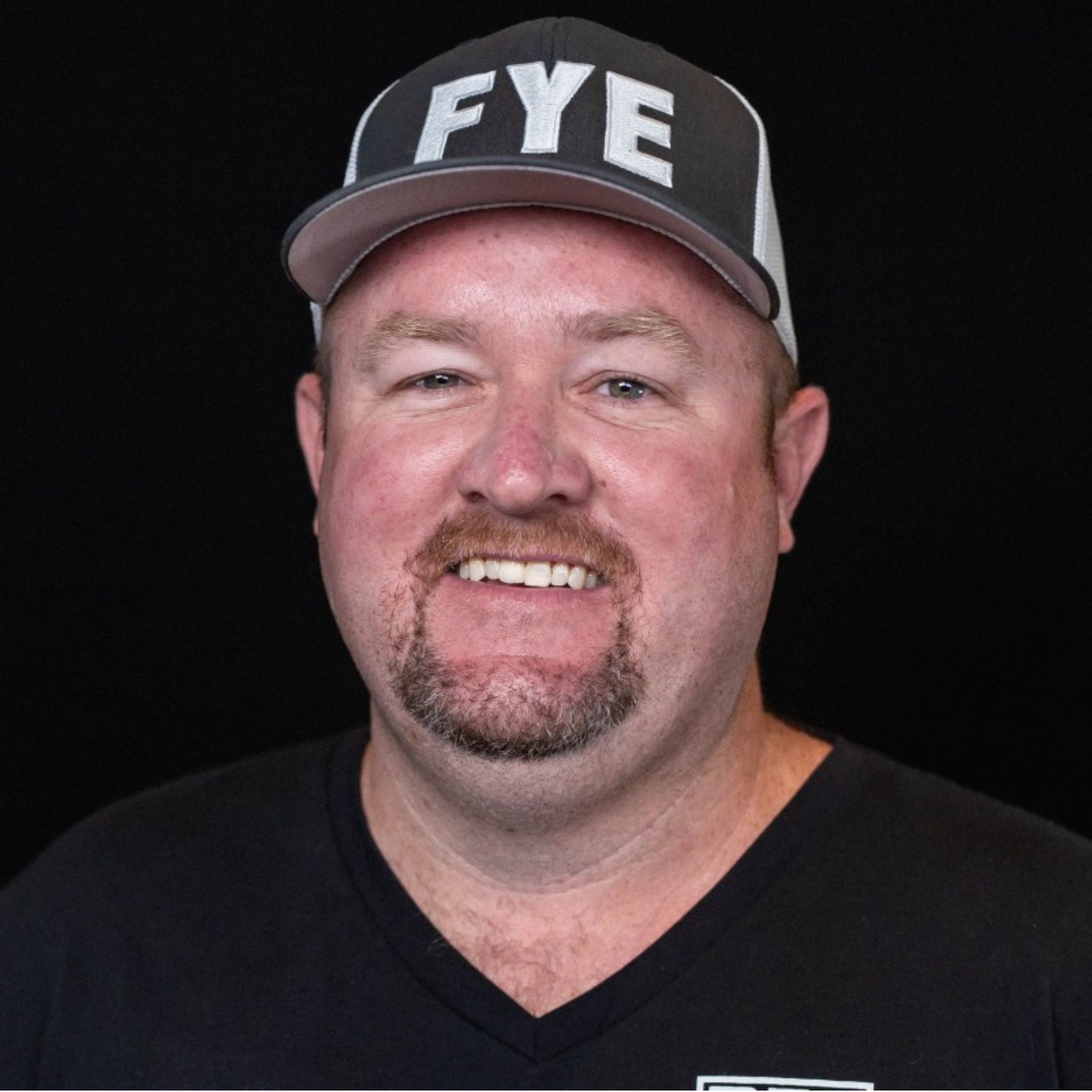
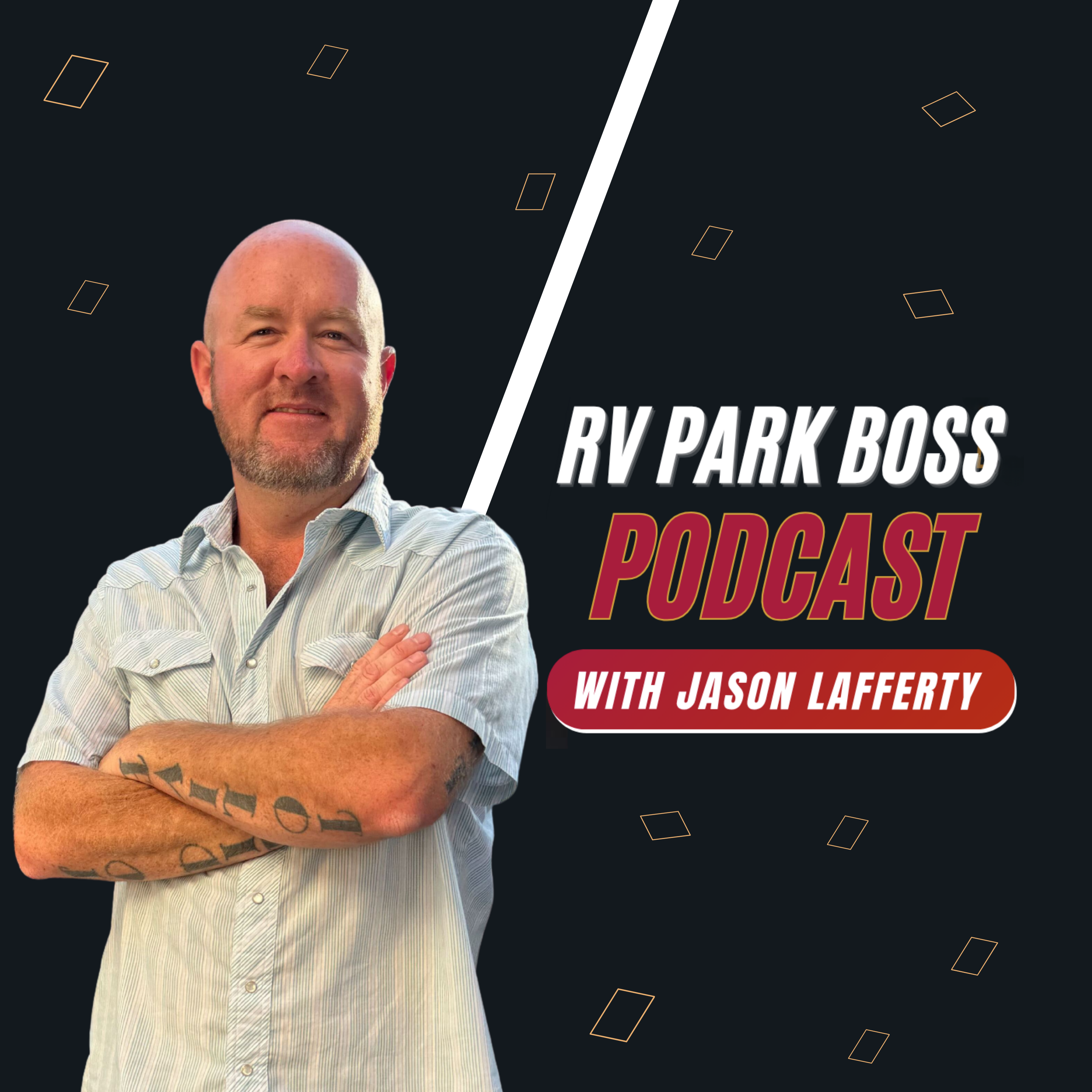
[00:00:00] Speaker A: Welcome to RV Park Boss, a podcast for RV park owners. I'm your host Jason Lafferty. This is a show where we dive deep in the challenges and rewards of park ownership and some funny stories along the way. This is a podcast sponsored by RV Park Probes. 78% of all RV parks are self managed mom and pop operations. So aside from strong marketing, guest experience and proactive management, all those are keys to success and profitability for any park. So if you're still trying to do this yourself, there is a better way. RV Park Pros is a park management system that helps maximize your occupancy and profits while optimizing your guest experience and retention. All without you having to be involved at the day to day. So to learn more about how we can streamline your park's operations, go to rvparkpros.com once again it's rvparkpros.com and today's RV park boss is Rylan Blowers. He was the owner CEO of Park With Us, a campground management and reservation software company built to help parks simplify day to day operations. Through his work with campground owners and operators, he has a close up view of the challenges facing RV parks today and the opportunities to improve efficiency, occupancy and the guest experience.
Welcome sir. Thanks for joining me here.
[00:01:08] Speaker B: Thanks much for having me, Jason. Yeah, appreciate it.
[00:01:11] Speaker A: Awesome. So I always like to kick things off with a little question. So mine for you is I know that you started this business around Covid time and so, so you can kind of share with us what brought you to, you know, to be where you are today with park with us and building.
[00:01:27] Speaker B: Love a good genesis story. Yeah, we started where probably any good RV software company should start, which was in an rv.
We were actually very close to many of your parks in Texas and very much started from scratching our own itch of being frustrated that we had to call an email to find a spot for the night. And which five years ago was much more commonplace and the norm.
And so started from a kind of a camper centric perspective. But after talking with literally the first camp we talked to in west Texas was gung ho and said great. And within 12 hours of the idea we had our first customer. But we realized quickly that the frustration was actually more acute for the 70% of mom and pop operations as a little callback to your tier ad ready that dominate our industry and that for them the existing software five years ago, which has gotten even more crowded now, was either far too complex and technical and difficult to use and or far Too expensive for these kind of mom and pop operations. And so kind of backing into that frustration. That use case is where we got going and then it's been quite the adventure along the way and get to where we're at.
Almost 1,000 perks today, including a few of yours.
[00:02:43] Speaker A: Yeah, yeah, yeah. I like working with you guys. It's simple, clean, efficient. If I have a problem, I send an email. I'll get an answer. It's just so. Definitely works for me. So I think you guys are doing a great job.
[00:02:55] Speaker B: Yeah, thank you. Thank you so much.
I think that's maybe the critical thing that I'll call out, which is especially for a new operation that might be opening up or looking at software, I think it's kind of table stakes that you should have software in 2026. I think it's much more so.
Yeah, almost everyone has something and that's how people prefer to have an option.
But now it's increasingly terrifying to choose in the world of AI where there's a new campground software popping up every week.
Yeah. How do you choose? Honestly, I don't envy that. And so I would say there are a lot of great options. Of course, we hope that ours is one of them, with the emphasis on being simple and free and. And built for the type of operation that we're discussing.
But the important thing to your point is just that it's human that in an AI world where you can spin up software very quickly, it's very, very important that you do not lose touch. That makes our industry special.
I truly believe. And so whoever you're going to make sure that they're.
What's that, sir?
[00:04:01] Speaker A: What is that? The personal touch, the brick stuff special?
[00:04:06] Speaker B: Well, yeah, I mean, honestly, like, we. We get the joy of working in a space where, like, oftentimes it's people trying to get away from technology and away from the AI overlords that are taking over. Right. So I always say our mission is like, to build technology that lets people unplug from technology and get outdoors and, you know, get less distracted.
And of course, that's for the campers to make their job a little bit easier to book. But actually, I think more so for the campgrounds themselves. I think you're a great example of an operator that is fairly hands off. You're not sitting at a computer. Either folks are booking online or if they do call in, you've got a great service. You work with campground support, shout out to them.
And yeah, you don't have to sit at a computer all Day, every day.
So you're able to be in the campground shaking hands. And I think that's something that's really important. But also through the process of choosing a software, you should know, get to talk to someone and they'll walk your hand through the onboarding. And then support is maybe for us is by far and away the most important thing we can have. So, yeah, that's a human element that I kind of reference.
[00:05:07] Speaker A: Yeah, yeah. And that booking software is definitely tricky when, you know, for me, when we get a different style parks. Like, we have campground in Louisiana under contract, and it's. They're doing 1.7 million a year with just a website and phone calls and like. Like, they don't have any kind of online process software or anything. And I'm like, how. How many phone calls is that? So we were going through their payroll, and they just got like, so many people in the office. And I'm just like.
My opinion is, or thought is that like 50% of 60, 40, or whatever still want to call and talk to Campground. Like, hey, what's the weather? Like, what's going on in the area? So maybe like 30%, but the other half, they're just like, I want to come this weekend. I want to click a button. I don't want to talk to anybody.
So what's your feedback on that, on kind of the still wanting to talk to somebody versus I think it's a
[00:05:58] Speaker B: very astute observation and something that we take very seriously is kind of a first principle that we follow, which is that, yeah, there is people that they're actively doing this to get away from technology, so they shouldn't be forced into that.
And I think you're definitely right. They're like, yeah, if you don't have it, you're losing out for sure, because people are just going to go to the one down the street that has it. But there is still a large swath of people that want to do that. And so I think for that it's important to meet them where they are. So we bake that into, like, our. Our model. Like I said, it's free for the parks we work with.
We just pass a service fee to any guests that choose to book online or pay their, you know, rent online, for example. But importantly, that's never mandatory. If you're used to coming in once a month and handing a check to. To Susie and checking in how her kids are at the office. And you love that. Great. Or you're used to calling and making sure your favorite spot is available and you pay cash when you arrive.
[00:06:48] Speaker A: Great.
[00:06:49] Speaker B: You know, there's no fees when you do that. And so by setting up to be like a win, win, win for all parties, we've kind of baked that into our approach. And I think it's something that is really important that we don't lose as operators. As you think about all these new tools and making sure that, yeah, whatever generation is camping or whatever the appetite is for technology, you're kind of meeting them where they are. So I think you've drawn that balance.
[00:07:11] Speaker A: Well, yeah, yeah, for sure. And, you know, folks are weird, so you just got to cater to them, make them feel comfortable and, you know, in every, every step of the way, from the guest experience to. To their experience on booking and all that. So are you from. From your lenses and looking at parts from. From your side, are you seeing like noticing any kind of different trends or shifts in, you know, the past 12 months? You know, because it's always about WI fi that's always the most important. But like, like consumer behavior, you see anything different kind of on your end,
[00:07:41] Speaker B: I would say there's two answers. There's a consumer behavior and then the campground operator behavior.
I think consumer behavior, it's a little harder for me to tell. There's like an abstraction layer. I mean, we know bookings are a little bit softer with higher gas prices in the fall for transient parks. But actually, you know, more monthly parks saw an uptick.
So there's. That's why having a balance is always good. Again, I'll reference you as doing a really good job at some of your parks, like 3G, where you, you know, have a really nice balance across monthly and transient.
But yeah, I mean, I think that's always going to be seasonal and change, I think on the operator side. And what we're seeing there has been a very large sh.
Yeah. In that it went from, you know, I think conversations where there wasn't an overwhelming amount of options. It was very clear what was the right solution. You're like, that's great, let's go, you know, let's work together and we'll get them live in a week. Now it's much more of a research kind of appetite where, you know, okay, I'm talking to six providers, which is fair, you know, make sure that you find the right solution for you. And I'm going to take notes on all of them. And there's more of like a research phase. I think there's also just probably less net new operations opening up, you know, this year. Versus the previous with kind of the COVID boom. So that, you know, the urgency of the buyer is a little different.
What's that?
[00:08:58] Speaker A: But operations, what you mean by like more parks?
[00:09:01] Speaker B: Yeah, new parks opening up.
And so I think it's like the kind of the urgency there, I think before is like, okay, I need something, I got a new park, let's go. And now it's like, all right, you know, I have a software, it's fine, but it's not great. Let me look at six options. And so I think more of our research and slower moving, kind of quote unquote sales cycle. Again we give away for free. So I use that with quotations. But yeah, that answer your question?
[00:09:27] Speaker A: So have you seen any common red flags of people that read a different software that came to you like they're driving reason or frustration or whatever that may be?
[00:09:37] Speaker B: Yeah, absolutely. I mean the most important one is support. Um, I think there's a certain point in the, in a company life cycle where you forget about what made it, you know, the DNA special and the people that are behind it. And the second you get into a queue where you gotta, you know, pay to get to the front of the queue and get a human to talk to or you're talking to a chatbot, that's a really frustrating experience, especially for the types of, you know, operators within our space. And so I'd say that's by far and away the, the number one thing that we hear and the thing that we can take most seriously.
But then, yeah, the other piece is, you know, I just think the, the ease of use.
[00:10:16] Speaker A: Sure.
[00:10:16] Speaker B: If you've used, you know, Campground Master, for example, for 20 years, you're pretty good at it. And that's, you know, it does work.
But I think the bigger thing is, okay, we're hiring a new camp host for the summer and it takes two months for them to even learn how to use the software in a four month season.
[00:10:33] Speaker A: What is this?
[00:10:33] Speaker B: Alaskan?
So, so I think that is another piece that like the simplicity, especially as there's more features and more bells and whistles, making sure that anyone can open it up and within a matter of minutes be like, okay, I can check someone in, I can take a payment, I can create a reservation. I think the table stakes that, you know, is easy to lose when, you know, adding software is very easy. But you know, adding elegant software is, is, is, I think the, the hurdle that, you know, you get over.
[00:11:00] Speaker A: Yeah, yeah, yeah, I think it's a good point on the, on the company cycle the first booking software I use was a big, big corporate guy.
And in the one big problem was that we had like a couple reservation cancellations, got the confirmation email, followed all their process, but the money just never moved. And so it was just an error in their software. And I. Anyway, I saw it multiple times and I called and emailed and they're just like, oh, it just happens. I'm like, what? So I'm. So I'm supposed to physically check with my bank account every single time something like this happens to cross reference because you couldn't perform.
And they didn't have an answer for me. So I was like, I can't do this.
[00:11:37] Speaker B: Yeah, fair. Well, I mean, I think that's, that's some of the scary, I think undertone to a lot of the new providers which are popping up, which is like what they call vibe coded, where like you don't actually look at the line of code. It's just, you know, you can have a robot build it for you and you get the tenants, but the, the what's working behind it is not necessarily so. I think we kind of started at a perfect time where we started five years ago with all modern technology and making delightful, intuitive modern software, but before AI tooling took away our autonomy as engineers to build something that was fundamentally good in the background and has now processed over $100 million in payments and is very, very solid now. We can still work very fast on top of that. But I think when you're going into a black box, if you started a company in 2026 today and you're not looking at a line of code, that's. Yeah, depending on the scale of your operation is the ramifications are a little bit bigger. But I'd be curious. I mean, you've collected a lot of data points, talking to industry leaders and what kind of direction would you like to see software go in to help in particular? Kind of the mom and pops in the industry that you focus on just,
[00:12:45] Speaker A: you know, every park is so vastly different.
Their styles, their nuances, their needs, their wants. So just, you know, the ability to shift if there is. But I mean, you know, parks aren't too complicated at the same time, you know, so just like add to cart on the customer experience, just simple things like being able to make sure that they have that confirmation email, their extra little text message when they check in because, you know, the husband and wife is driving in the camper and they're like, oh shit, what campsite? We are. And it's nine o' clock at night and they're bitching at each other. They just want to be, you know, have little touches to. We're like, all right, yeah, we're in campsite B10. This is how you do it. You know, just that simple stuff. So, so direction just, you know, keeping. Making sure that the customers are happy because keep them happy. They're coming back to telling other people. So, you know, I don't really know.
[00:13:31] Speaker B: Yeah, no, that's fair.
[00:13:34] Speaker A: You know, it's like, it's. It's being able to create that. That balance of, you know, if somebody wants to physically call and physically come in and be greeted when they get there versus that person. It's like, I don't want to talk to anybody. Can I just go to my campsite and be left alone, please?
And so that's, you know, your automatic emails and text messages. So. Yeah, so I think just the goal is always just to keep that customer happy, and then that's all technology patterns.
[00:13:57] Speaker B: Yeah, no, I think that's. I think that's great. Yeah. You meet the customer where they are and how they want to interact with it, and this at least gives them the option to opt out if they want.
It makes a ton of sense. And.
[00:14:07] Speaker A: Yeah, yeah, just keeping it simple. Yeah.
Can they add the card and can they, you know, automatically run this card or, you know, just. So just keeping the experience simple, I guess, is just only the key. So I don't see any like, big shifts really. You know, like, obviously we. We did this COVID wave and so, you know, it's. To me, it's more about the park and, and the stinking WI fi and keeping your showers clean and that kind of stuff.
[00:14:35] Speaker B: Yeah, that's fair. Yeah. You've got a lot of. A lot of non technology things to worry about. So what we take. Try to take away the headache of that, I guess. I'll ask you. I mean. Well, I have you. Sorry, I'm flipping the podcast a little bit here, but, you know, how is your experience Keep it rolling with park with us. I mean, we've worked across your portfolio for, you know, multiple years now.
Yeah, I'd love to hear kind of what that. What that's been like for your different types of operations.
[00:15:00] Speaker A: Yeah, I mean, it's like I said, it's been. Been smooth.
You know, like we. We partner with campground support that you mentioned before, so we never miss any phone calls.
And then on. On the. The software side, I mean, I can't even think of one complaint, you know, hadn't been Any issues there? I've had a couple questions and I just sent an email and I and a dude responds to me like less than an hour, you know, if I have any questions or concerns. So definitely notice the, the different you know, add on features that you've got. So it seems like you're doing a good job listening to feedback and, and not making it complicated because we don't have to say any names but there's a few softwares where it's like I think you mentioned before, it's probably a two month learning curve. Just like it has 67,000 features. It's like great. But how do I click book now? You know, so, so keeping it simple at the same time I think is, is key because you know I have an assistant for different parks whether they're the on site people or, or just a virtual assistant that kind of helps manage it. And so the learning curve is very, very clean and easy. You know, I just be honest with you. I just create a loom video. Hey, this is a process for this. We're, we're rolling out say this rent to own program. It's a little bit different. This is what it looks like and I just create a little video and show it to them. And our operations been pretty efficient.
[00:16:16] Speaker B: Awesome. That's great. I really appreciate that. I'm really happy to hear it.
[00:16:20] Speaker A: Yeah, yeah. Honest, honest, honest feedback for sure.
[00:16:22] Speaker B: Okay, I'll take it.
[00:16:25] Speaker A: So, so what, so what do you when you guys try to you know, attract more park owners? What has been some, you know, little business to business talk. What has been some strategies for you on know attracting customers or seeing things that people like. Yeah, I'm going to start working with these guys.
[00:16:44] Speaker B: That is the golden question. I, I think it's certainly like you. There's, there's more fishermen with less fish. If you look into the, the marketing of, of software, campground software.
I agree but I, I think it is, it is really just I mean to rehash some of the pieces I've said before but kind of reiterating from the get go. The second you land on a website or an advertisement you might see that like it is going to be simple, it is going to be free for you. It's not going to be a risk and create backpacking costs. There's going to be a human that's there to help you. I think really just appealing to that human side is something that we've tried to do from the get go and want to do even more of and share the stories of yourself. And now 700 different operators that work with us.
So that way, in the same way that your podcast adds value to everyone, everyone's trying to figure out what the heck, you know, they're doing and how to build an RV park. We're all just, you know, making, making our way through life and trying to figure it out. So I think I'm creating that kind of community will also help moving forward so we can all learn and grow together.
[00:17:50] Speaker A: That's definitely the.
[00:17:51] Speaker B: Yeah. The type of client that we, that we love working with.
[00:17:55] Speaker A: Yeah, yeah, for sure. The learning and growing together. I definitely like that because it's always, I don't know of an involving industry, but there's always different, like we're getting a different parks and different style of parks, and so it's always an evolution or, you know, what are some little things you could partner with somebody to increase the value of a park and, you know, just all these little, little nuances that we all need to grow together for. Sure.
[00:18:18] Speaker B: Yeah, it's fun. I, it's like I think of, of any business, I think a campground is a fun one because it's like a Lego block. You can add more layers. Okay, yeah, sure, maybe people are asking about the Wi Fi, but like, maybe it's not worth the $30,000 install today
[00:18:30] Speaker A: or whatever it is.
[00:18:32] Speaker B: That's a Lego block you can add later and you know, you know, so I, I think, yeah, that we love in particular iterating and growing with parks that have worked with us now for years. And like, oh, we're doing great. We're going to add 40 more sites next year or we're going to add some glamping tents or whatever.
It's always really cool for me to see and see that we get to be a small part of that. That journey and, and you be in your corner through, you know, building what is a fundamentally better business. I think that's the kind of the, the opportunity that most of the businesses in our space have is to. Is to turn a fledging operation into something that is really special.
[00:19:08] Speaker A: Yeah, that's, that's my favorite part is about parks, is how you can just kind of shift or trans transition, you know what I mean? Like, if it was extremely dramatic, an RV park can be turned into a mobile home park or something. But, you know, if, if part of your seasonal strategy isn't really working, but then there's a data center coming in and you could just kind of shift on what your strategies are for parts. The versatility, I guess, is the easy Way to say it. That's true.
[00:19:33] Speaker B: Yeah. I guess I never really thought of it like that, but, yeah, that is. There's very few assets where you're not really locked into. Yeah.
[00:19:38] Speaker A: You're not going to change the apartment complex. You can move a couple walls, change a couple bedrooms, but that's. That's not it.
So.
[00:19:46] Speaker B: Awesome.
[00:19:47] Speaker A: Well, awesome, man.
I appreciate your time here.
And if folks want to book a demo or learn more about you guys, what would be a good way for them to reach out?
[00:19:56] Speaker B: Yeah, they can come to our website at parkwith us. Like, parkwith us again. Park with us. We try to be free, simple software built for humans by humans. And excited to chat with more folks like Jason across the country. So I really appreciate your time and having me on here, Jason, and it's great to catch up. I was excited when I saw this podcast come through. I was like, I know, Jason.
[00:20:19] Speaker A: Yeah. Yeah. What's up?
One last thing. Are you going to be at the National OHI Conference in November in Fort Worth?
[00:20:27] Speaker B: I think we are not. We're doing kind of a different conference at the same time.
That's kind of an adjacent space, so we're not going to be there. I think we'll probably be at coe, which is probably more than mom and pops there than, like, the larger chains.
[00:20:41] Speaker A: Yeah. If that change this year, it's in my backyard. So I was going to have to say hi to you for going, but getting you.
[00:20:47] Speaker B: Yeah, yeah.
[00:20:49] Speaker A: Elsewhere.
[00:20:50] Speaker B: Awesome. Thank you, Jason. I appreciate it. Looking forward to that chatting soon.
[00:20:53] Speaker A: Back to you.