Episode Transcript
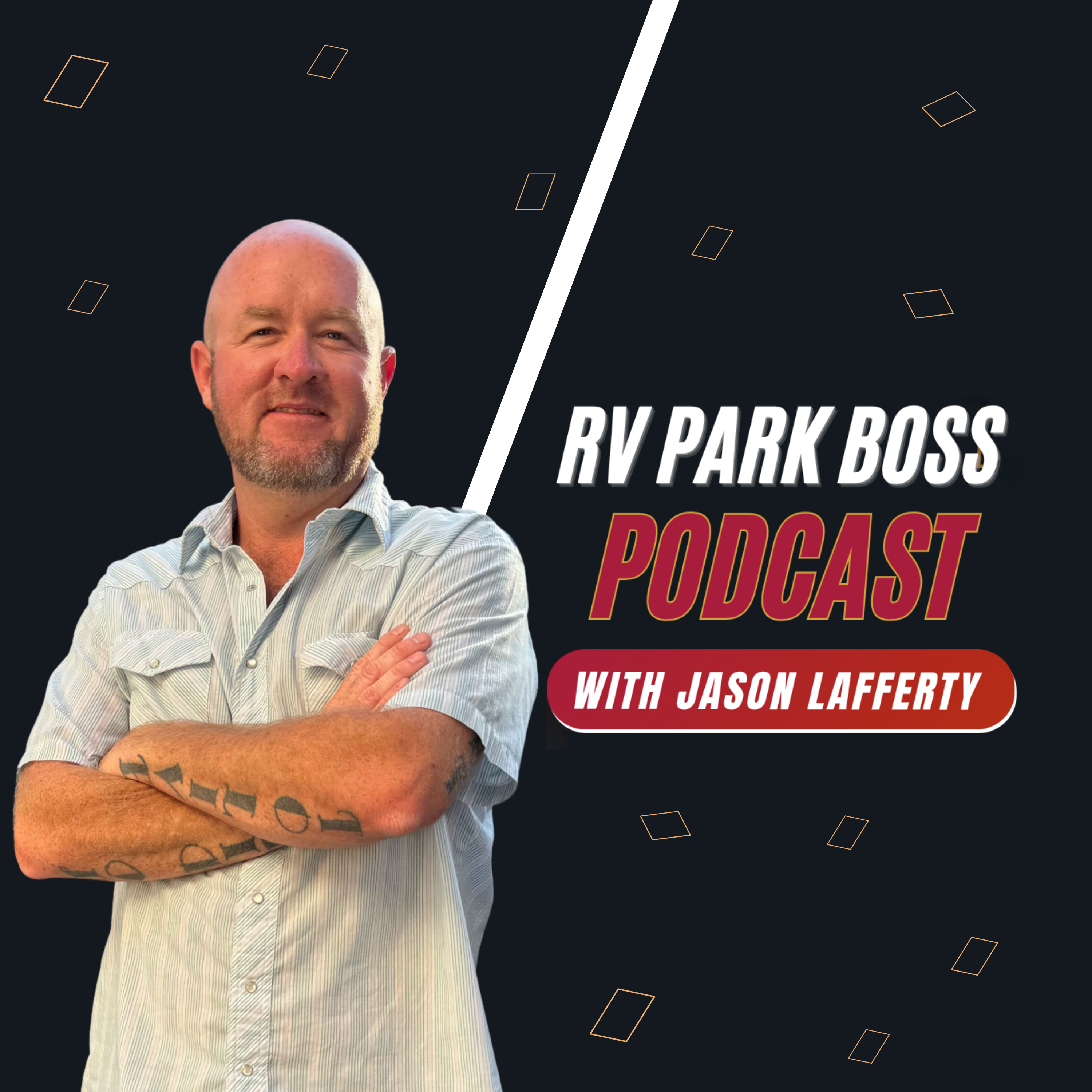
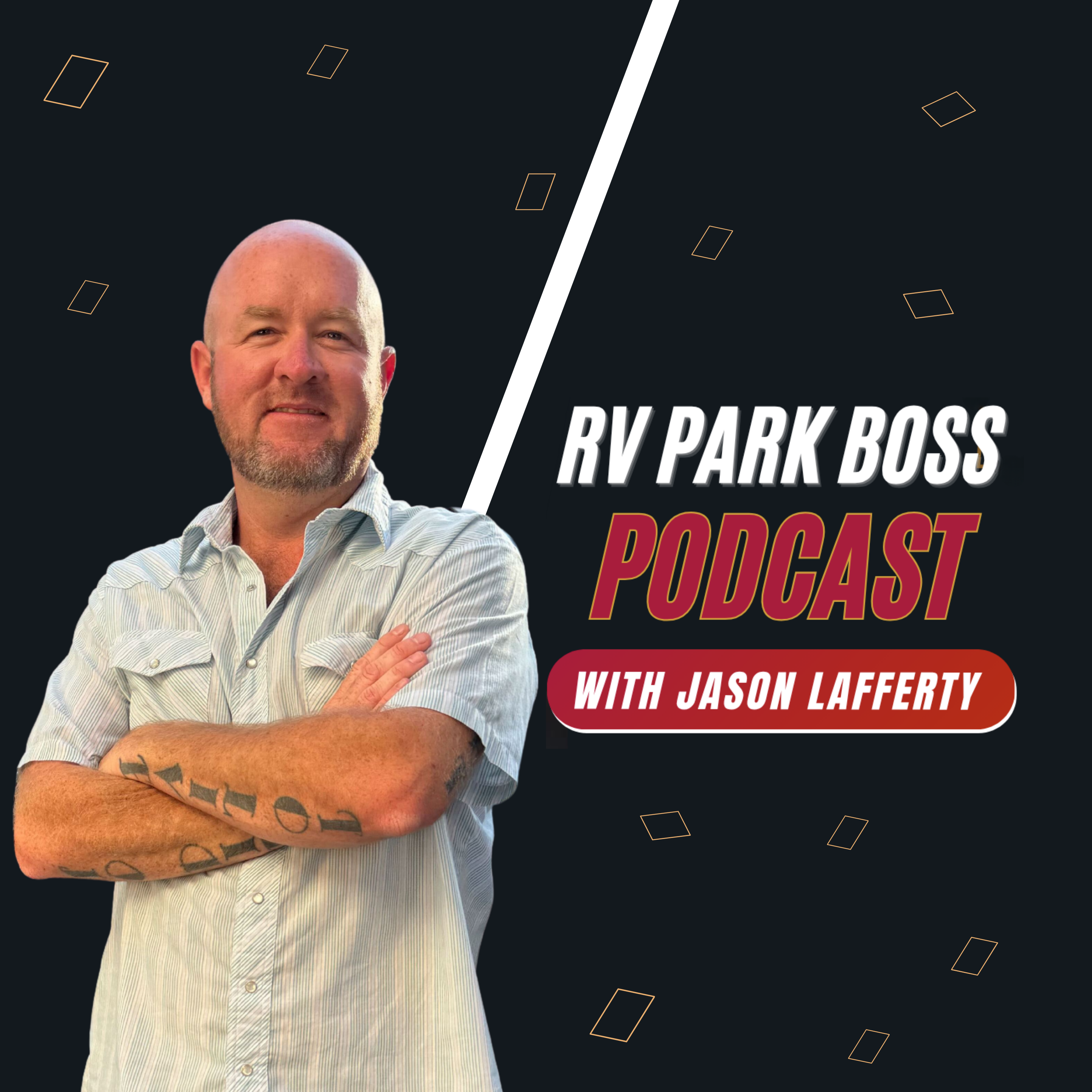
[00:00:00] Speaker A: Welcome to RV Park Boss, a podcast for RV park owners. I'm your host, Jason Lafferty. This is a show where we dive deep in the challenges and rewards of park ownership and some funny stories along the way. This podcast is sponsored by RV Park Pros. 78% of all RV parks are self managed mom and pop operations. And aside from strong marketing, guest experience and proactive management, all those are key success and profitability for any park. So if you're trying to do that all yourself, we do have a better way. RV Park Pros is a property management system that helps you maximize your occupancy and profits while optimizing your guest experience and retention, all without having you to be involved in the day to day. To learn more about how we can streamline your park operations, go to rvparkpros.com once again, that's rvparkpros.com and today's RV park boss is Jacob, who owns Buttercup Woodlands Campground in Butler, Penns. Welcome to the show, sir. How you doing?
[00:00:51] Speaker B: I'm great. How are you?
[00:00:52] Speaker A: Awesome, man, awesome. Thanks again for your time and being here. I'd like to kick it off with a little question.
We'll get rolling here. So here we go. Are you seeing what changes are you seeing with, with guests in terms of what they're looking for in your park? Like you, we, we just talked a minute ago and you were talking about some upgrades to, to your dog park as well. But are you seeing like any changes in your guests on what they're asking for and what they're bitching about or what they got questions about or anything?
[00:01:23] Speaker B: So one thing to think about is, you know, our park is old. Our park is 48 years old.
Bought it last year. So this is the future that I've had it. So when the park was built, you know, there was very few guidelines to follow.
[00:01:39] Speaker A: Right.
[00:01:40] Speaker B: You know, and when the owners built it and then the previous owners that I bought it off of, if there was any way to cut a corner, they would.
So our biggest downfall right now is for every two sites, it's a shared pedestal.
And so one side's 51 size 30. So, you know, not every site is 50amp in our park. So that's kind of like that need right now that because, you know, all these trailers that are being built have two and three air conditioners on them, so they're automatically a 50amp trailer. Even like a 28 foot trailer now is 50amp.
[00:02:11] Speaker A: Yeah.
[00:02:11] Speaker B: So that's kind of like what everybody's complaining about at our park is because they just don't have it and they're like, you know, we can't run off a 30amp. That's not what our trailer is built for. And I'm like, you absolutely can. You just have to alter the way you use it.
[00:02:25] Speaker A: Right.
[00:02:26] Speaker B: But when you buy a trailer, you're not instructed on different ways to use your trailer. You plug in amp and you can use all the things that's in it.
[00:02:34] Speaker A: Right.
[00:02:34] Speaker B: You know, so that's kind of like our biggest downfall right now that we are just to the point of, you know, we're ending. We just ended year two and so we're able to start hopefully making some of those changes going forward.
[00:02:47] Speaker A: Yeah, that's awesome. Yeah, that could be tricky logistical wise, you know, with the 50 and 30 and, and you know, making sure you got enough room. Is this guy actually using 50 or 30 and kind of playing that? So, so is the long term goal to figure out just how to probably have to upsize the wire and then add, you know, kind of upgrade the size a little bit?
[00:03:09] Speaker B: Yep. So hopefully we can possibly dive into it this winter. But I'm not sure if we're going to make it to it or not because we've got a lot of other things that we have to get done quickly.
But yeah, we do. We already met with the electrician that's going to work alongside of us with it. So we have to put in new wire from our transformers to the sub panel boxes and then from sub panel box to each individual site.
But he's walked us through it all.
So, you know, in theory it sounds pretty easy. You know, dig one big hole, the whole trench the whole way down through, lay all your conduit and then run the wire. So it sounds like it's going to be a pretty easy process.
It's just getting the work done, you know, especially with us in the off season because we don't know what our weather is going to be like in pa. It's either going to be really nice or we're going to have three feet of snow. Right, right.
[00:04:01] Speaker A: I couldn't, I couldn't imagine if. On a side note, after this, if you want me to look at those plans, we, we do electrical too for building parks too. So I can give you a second opinion if you. Have you ever had any questions on that side.
[00:04:12] Speaker B: Okay, awesome.
[00:04:14] Speaker A: Yeah, but, but on your park, so. So you, you're closed for the winter. So what are the dates? I was always curious because I'm down south in Texas and like we don't. We don't close. But as soon as you get up to, like, Missouri, kind of Midwest and North, that's what the parks do. And so I was kind of curious if there's like, a set date or you just kind of. Or how you handle that.
[00:04:33] Speaker B: So our seasonal agreement and the way we post all of our stuff is we are open April 15 to October 15.
That may change very little because, like, if the.
Excuse me, the 15th is on, like, a Saturday, we'll close on Sunday. You know, give them the full weekend or something like that. But there's a lot of the parks in our area close anywhere between the 15th of October and the 31st of October. They basically will try to get possibly through Halloween, you know, but that's going back to the beginning of the conversation. That's kind of one of the things that we're seeing a change in is our weather pattern. You know, most of us open in Pennsylvania April 15th. Somewhere around in there.
[00:05:14] Speaker A: Yeah.
[00:05:15] Speaker B: And then we close in October.
But what we're seeing is April is worse weather wise, than what it is in October, you know?
Yeah. So we're just seeing that shift to try to figure out.
Quite a few parks have already made the adjustment to May 1st to October 31st.
You know, it's. Again, it's just the way the weather's going, so.
[00:05:38] Speaker A: Right. Well, that's. That's interesting because you got to plan ahead, but then weather has its own mind, and it tells you what it wants to do, you know?
[00:05:49] Speaker B: Yeah. I mean, we're seeing worse weather in January, so, you know. You know, for us, while it's RV show season, that works because we can't really do too much in January, but that gives us time to do inside projects.
[00:06:00] Speaker A: Yeah, yeah, that's. That's. That's pretty nice, too.
So it doesn't sound like there's any city or county requirements on when you shut down, because I know, like, I think Minnesota Dakotas or something, I've heard that they. A lot of their municipalities will have rules on when they have to shut down. So it doesn't sound like you have to deal with that. You just have to make a good judgment call.
[00:06:18] Speaker B: Yeah. I mean, so it kind of changes. Pennsylvania's different. You know, it goes off of your township or your county.
So, like, we are. We're labeled as operating 181 operating days.
You know, that can be obviously within play, but they can also look at it as changing our tax bracket or changing what we are. Are we an RV park? That's Seasonal business versus year round business.
Because if you go too long, then they consider it, you know, full blown year round operation.
[00:06:50] Speaker A: So a lot more if that's the case.
[00:06:52] Speaker B: Yeah. So we shut everything down at our park. We shut all the water off, the electric, everything.
So you can come in and check on your trailer as much as you want, but you have no use of it.
[00:07:01] Speaker A: Yeah, yeah, sorry. Blame it on the government.
[00:07:05] Speaker B: Yeah.
[00:07:07] Speaker A: So. So with your guests, are they, are they more monthly? Are they weekend warriors or what kind of guests do you have at your park?
[00:07:14] Speaker B: So we have just shy of 300 sites total in our campground.
247 of those are seasonal permanent sites. So they have use of their trailer as much as they want from April 15th to October 15th. Then we have 26 transient sites, about eight tent sites, two rustic cabins, and we have one camera lodge that we rent out.
But I was, I would say we have totally changed our market since I took over. We've done a lot of marketing. It helps because I have a marketing company and so we're, you know, staying on top of it. But we've, we've changed it. We've done a lot of upgrades and things like that that's necessary to the park. So we have a lot of overnight weekend guests.
We have quite a bit that come for a week or so just because of the area that we're in, seeing family. Because we're so close to Pittsburgh. There's not, there's, I think, one campground within Allegheny county, which is where Pittsburgh is based out of.
Other than that, we're all outside of the county line, so we don't. We're only about 35 minutes north of the city. So it makes it easy if you're coming in to visit family, going to the city or coming in for Steeler games, Pirates games, things like that. You know, we get a lot of people that come in for the Pirate games during the summer, which makes it nice.
[00:08:28] Speaker A: Yeah, Heck yeah. That's. That's pretty nice geographically and so. So the seasonal ones, like, are they just. Are they the type coming on the weekends? Are they living in there for six months out of the year or a mix of them?
[00:08:41] Speaker B: I was gonna say we have a good mix. We have a lot of snowbirds, so they'll come up usually around like the beginning of May. They'll leave somewhere between like Labor Day and the beginning of October.
But we do have a really good mix of it. And then most of them come up on the weekends. You know, the ones that we have that are Teachers and stuff like that. They'll spend a little bit more time there just because they have the freedom to do that in the summer. So.
[00:09:04] Speaker A: Yeah, so they'll keep their campground, keep their camper there the whole six months, but then they'll come on the weekends kind of deal.
[00:09:10] Speaker B: Yep.
[00:09:10] Speaker A: Okay.
[00:09:11] Speaker B: Yeah.
[00:09:12] Speaker A: Yeah. So basically down here, we see that a lot. When you're closer to your lakes, like outside of Dallas, there's a lot of parks where they're like, can we just pay for six months? And then they'll leave their camper there and then. But they're only there on the weekend, so it's kind of nice because it's not a lot of wear and tear on your park, but you have the income coming from it, and everybody's happy.
[00:09:30] Speaker B: Absolutely.
[00:09:30] Speaker A: It's like their little second house or little get. Little get a family getaway or something like that soon.
[00:09:36] Speaker B: Yeah. And I mean. I mean, I'm sure everywhere faces this, but nobody has a place to park their trailer, Especially in these housing communities and things like that. There's. There's just nowhere to do it. And you can only have it there for so many hours. If you do bring it to your house, you know, so it's easier.
We actually had a couple with us this summer. They had their trailer in storage. They had some things going on, and they camped with us, and they actually. The jacks broke on the trailer, so they stayed with us a little bit longer and whatnot. But she was like, I don't know why we didn't do this sooner. Because it's cheaper than storage.
[00:10:10] Speaker A: Yeah.
[00:10:10] Speaker B: So, you know, and they got to use it.
[00:10:12] Speaker A: Right.
[00:10:13] Speaker B: Just because of their work schedules and things like that. They weren't going to use it much this year, but it turned out they. They were in it all the time at camp, so. Yeah.
[00:10:22] Speaker A: Yeah, that's. That's neat. Because it's, you know, because if it's a couple or it's a family, it could just be a quick little getaway for the weekend. You got to put some of your camper somewhere anyway, so actually freaking use it anyways, too, so.
[00:10:32] Speaker B: Exactly. You spend a lot of money on the camper, so use it.
[00:10:35] Speaker A: Yeah, it's like. It's like you. And it's like you inadvertently encourage them to use their camper more. It's pretty. That's what it sounds like.
That's awesome. So you mentioned in the marketing background, what are. What are some things that you're seeing that's bringing people in or. Or doing that you're tapping into or. Or things that you're taking advantage of, things that are working.
[00:10:56] Speaker B: So for us, I mean, there's a lot that goes on in our area.
Plus we have, since we took over and we're changing the park up and things like that, we have a lot of new families coming to us for the first time ever, whether it's families with kids or, you know, just husband, wives, things like that.
So we're seeing a big change in that. So what we're trying to do is make our park adaptable for everybody. So we've done a lot of new activities this past season where they were adult oriented, only family oriented, and then just stuff for the kids, you know, because we watched a lot of different campground comments, reviews, things like that. And so you would. I don't know if you have a wife or not, but you and your wife, you guys go camping and everything is always kid oriented.
[00:11:41] Speaker A: Right.
[00:11:41] Speaker B: So the downfall to that is you're like, you know, while that's great, we wanted something that's just for the adults or something like that. So we started making like, every Thursday is adult night. So when our swimming pool is open, it's adult night at the swimming pool so that they can come to the pool, relax, there's no kids, bring your beverage, enjoy, have a good time. And then when the pool is not open or, you know, it might be too cold or whatever, we actually do a community fire. It's still adult night, so that they sit around the fire, have their time.
We've brought a lot of breweries in for tastings, things like that.
We. We did a comedy night.
So we had, I think it was five comedians come in.
We kind of let them have free reign. We still told them, remember, it's a family park, try not to use the F word like that.
But we got a lot of feedback, positive feedback on that. Because it wasn't just everything for the kids or everything for every. You know, there was always something for somebody that while there was kids crafts, there was a brewery tasting going on down in the pavilion for the adults.
So it was just a good mix. So I think that's where we're kind of turning the tide for our park and seeing what people want. Because I don't think everybody looks at that. You know, they see what works for their park and they just continue on that trend, you know.
[00:12:56] Speaker A: Yeah, it's not like you identified a market and a need and then you start catering to them. And then. So that. That probably, you know, started growing over time. Because the first Time you do an adult only event, maybe it was a little bit smaller, but if you were sound like you're consistent with it, then it sounds like there was a market for it.
[00:13:12] Speaker B: Yeah, I mean, and it's always different. Especially like our adult night. I remember the one pool night we had, we had like 45 people in our swimming pool on a Thursday. You know, while traffic is technically low on a Thursday, we were pretty full because people were coming in because the weather was nice. They knew they could have some time to relax and stuff. So it makes a big difference.
[00:13:31] Speaker A: That's cool. That's cool.
Another thing I want to talk about is you mentioned getting a city grant for upgrading your, your dog park or your park. Can you tell me a little bit more about that?
Unlike a. How you found out that a city would help pay for some upgrades and kind of how that worked out.
[00:13:48] Speaker B: Yeah. So we belong to Experience Butler county, which is our local Butler county tourism office.
And so they've done this for probably close to 10 years now, I think, where they have put together dollar money so that they could offer grants to any of the local businesses that are part of tourism. And so I believe they offer up to 10 a year. And it's up to a $5,000 cap is what they can give you. You can ask for full $5,000 or you can ask for a partial.
But then it's based off of like capital improvements, marketing improvements, and I forget what the third option is.
So we did this years ago when I still managed the campground. And what, what we did then was, is we got the grant to upgrade our overnight sites because everything used to be grass in the campground.
And so when it rained a lot, you know, trailers would leave ruts, it would mark it up, they'd get stuck, things like that.
So we did it so that we could gravel all the sites, make them really nice and everything.
[00:14:52] Speaker A: That's all.
[00:14:53] Speaker B: So but what we did this year and we got the full five thousand dollar grant for was upgrading our playground. You know, and it, we based it off of the trend that we're seeing where we're having more kids come to the park and the playground structures that we have at the campground.
So I've been at the park for 27 years. I grew up there, my family camped there, I started working there.
So those playgrounds that were there before I was born are still in the park today. Yeah, you know, so it was just one of those things. I was like, you know, we, we've got to change this and we've got to make it nicer. And then the playground area was all grass, and insurance company was just like, you know, grass is not what we recommend or it's not, you know, per our code guidelines that we follow.
So it's supposed to be pea gravel, bark mulch, rubber mulch, or, you know, the solid turf, things like that. So we started.
[00:15:45] Speaker A: Had a problem with your park being grass. That's hilarious.
[00:15:48] Speaker B: Yeah. And, you know, the previous owners and I, while I understand it, they were like, you know, if a kid's gonna fall, we'd rather them fall on grass and just get a grass stain than in bark mulch and get splinters or cut open or whatever may be.
So I said, you know, now's the chance that we. We can do this. So my partner and I and my team, we all got together, we figured out what we were going to do. So we applied for the grant with tourism, I believe we had to, you know, you had to write a document about why you wanted to do this, put together, you know, any upgrades that you were doing. So we were going to add a new play structure, add a shade area because it's out in the full sun. So if you're there with the kids, there's. You're not dodging any sunshine. So we wanted to put like a pavilion in so that there was some shade, some tables, landscape it, all the things. So we had to provide pictures of what we wanted it, what structures we were going to add.
And then we had to build a full budget and everything like that.
So we submitted it and everything, and then everybody's went into review.
So we had to jump on like a zoom call and they asked you some questions and things like that. And about a month later is when we found out. So we had to apply, I believe it was by like the 15th of March. And then we found out mid May if we got the grant.
[00:17:03] Speaker A: That's not a bad process.
[00:17:05] Speaker B: It really wasn't. It was pretty painless.
You know, the hardest part is, is like we change. We ended up changing our play structure, so because the one that we wanted, it kept being put on backorder and stuff. So I think it was almost September and we still hadn't been able to order what we wanted.
And so I. We had talked about it and my partner was like, hey, can we get this instead of. So we ordered a wooden structured jeep with a slide, has the seats and all kinds of stuff on it. And we ordered that and I sent it to our tourism office. And I was like, hey, here's what's going on. Will this still be covered? Because it wasn't what was put into the original plans.
And they said, yeah, you're good because it's still adding an amenity that you didn't have before. And it was still a play structure. So there was at least that flexibility to it.
So now all we have to do is just submit final photos. You had to have a. We had to place a sign that says like, basically the playground upgrade project was in partnership with experience Butler County.
And then we just submit the final product and receipts and everything, and they'll send us a check for half of what we spent, up to 5,000.
So it's really nice because you can use it for anything. Like, we ended up having to put new roofs on, and before we had applied, we had said about having to put roofs on our main pavilion. So we have a pavilion that's about 8,000 square feet. And so it's a pretty big building. And we were having an event and tourism was there. And the one lady, she was like, apply for one of the grants and use it for your roof.
So, you know, that's what's nice about it is it's. It doesn't have to be something pretty like your playground or a swimming pool or a bathroom or anything like that. It could be too.
[00:18:54] Speaker A: Just simple upgrades.
[00:18:55] Speaker B: Yeah. So it's. It's just very cool to see what they can do to help out these small local businesses.
[00:19:03] Speaker A: Yeah, yeah. Now, like I. Like I told you earlier, I'm kind of curious as to what more cities and tourism boards.
That's something more to look into because I've never really thought about that aspect of it is looking for grants or upgrades, those type of partnerships.
[00:19:18] Speaker B: You know, I think that's what's nice about being part of all these different organizations, whether it's the local chamber of commerce or your tourism, you know, with you being part of these RV parks and stuff. So, you know, most of the parks have a state association or the national associations, things like that. That's what's kind of nice about them because there's dollars out there that you may not realize.
It's just. Again, it's just tracking it down who's. Who offers it, you know.
[00:19:45] Speaker A: Right.
Yeah. That's pretty.
That's pretty neat. Well, cool, man. Well, I think it's been a great conversation. I think it's a good time to. To wrap it up.
If folks want to reach out to you find you park. What would be a good way, like a social media or. Or a way to get a hold of you folks. Wanted to catch up with you.
[00:20:02] Speaker B: Yeah. So they can visit our website. It's buttercup woodlands.com. or you can follow us on Facebook. We put a lot of stuff out on our Facebook page, which is Buttercup Woodlands Campground.
[00:20:12] Speaker A: Cool. Well, I'm gonna follow that as soon as we get off here. I appreciate your time. And, folks, if you're listening and you own at least one RV park and want to be a future episode of RV Park Boss, you can go directly to applied RV park boss.com and thanks again, man.
It was nice to meet you virtually. I know we met on Facebook, but I appreciate your time. So I'll wrap it up for today.
[00:20:33] Speaker B: Awesome. Thank you very much.